How to Build and Improve Your Credit Score Using Credit Cards Responsibly
In the modern financial landscape, a credit score is far more than just a number. It is a digital reputation—a summary of your financial reliability that institutions use to decide if you are trustworthy enough to rent an apartment, finance a car, or secure a mortgage. For many people in the United States and the United Kingdom, a credit card is the most accessible tool to start building or repairing this critical metric.
However, credit cards are a double-edged sword. When used correctly, they act as a ladder to help you reach your financial goals. When used carelessly, they can quickly become a barrier, keeping you locked out of favorable interest rates and borrowing opportunities. Building a strong credit score is not a matter of luck; it is the result of consistent, disciplined financial behavior over time.
This guide explores the mechanics of credit scores, the role credit cards play in your financial health, and the precise steps you can take to build and improve your credit score starting today.
![Hero Image: A modern, professional workspace showing a person checking a rising credit score on a laptop. Beside the laptop is a generic credit card, a smartphone displaying a banking app, and a wallet. An upward-trending financial chart is visible, and a shield icon represents financial security and health. Stylized Dollar ($) and Pound (£) symbols are subtly integrated into the design. The image uses a clean, professional blue, green, and white color palette.]
What Is a Credit Score?
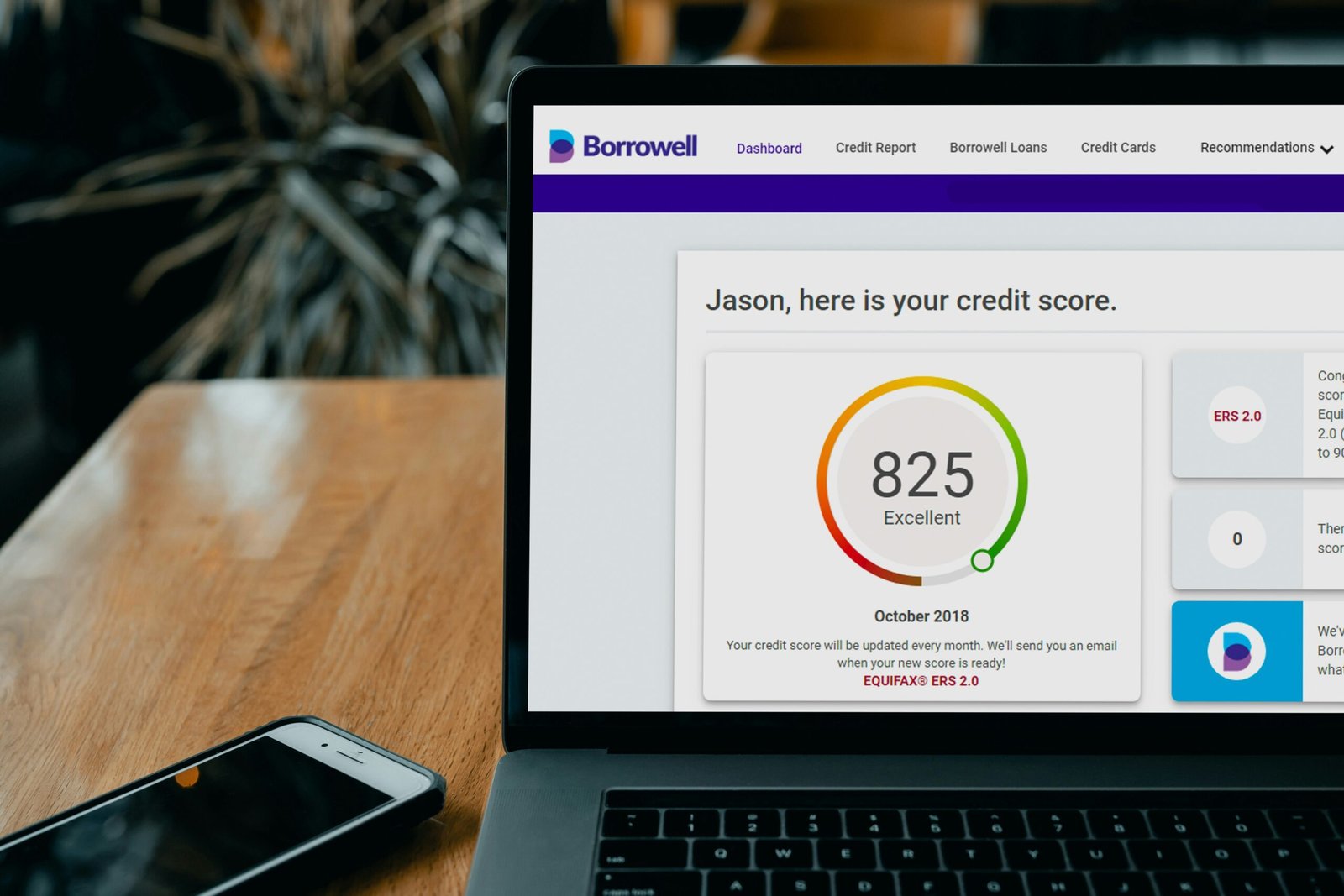
A credit score is a three-digit number—typically ranging from 300 to 850—that summarizes your credit risk. Lenders, such as banks, credit unions, and even utility companies or landlords, use this score to predict the likelihood that you will repay your debts on time.
- Why It Matters: A higher score signals to lenders that you are a low-risk borrower. This often leads to “prime” interest rates, which can save you tens of thousands of dollars or pounds in interest payments over your lifetime.
- Scoring Ranges: While models like FICO and VantageScore differ slightly, a general rule of thumb is that scores above 740 are considered “excellent,” while anything below 580 is often categorized as “poor.”
Your score is not stagnant. It is a dynamic reflection of your most recent financial behavior, which means you have the power to influence it through intentional actions.
How Credit Cards Affect Your Credit Score
When you use a credit card, the issuer reports your account activity to the major credit bureaus. This report covers several key categories that determine your credit score.
1. Payment History (35%)
This is the most significant factor. Your payment history demonstrates whether you have paid your bills on time. A single payment made 30 days past the due date can cause a significant drop in your score.
2. Credit Utilization (30%)
This measures how much of your total available credit you are currently using. If your credit limit is $1,000 (£800) and your balance is $500 (£400), your utilization is 50%. Lenders prefer this number to be low.
3. Length of Credit History (15%)
This is the average age of all your open accounts. A longer history provides more data for lenders to analyze, making you a lower-risk candidate.
4. Credit Mix (10%)
Lenders like to see that you can manage different types of credit, such as a mix of revolving credit (credit cards) and installment loans (auto or student loans).
5. New Credit Inquiries (10%)
Every time you apply for a new credit card, the lender performs a “hard inquiry” on your credit report. Applying for too many cards in a short period can suggest financial instability.
Understanding Credit Utilization
Credit utilization is perhaps the most misunderstood aspect of credit scores. Many beginners believe that using their card and paying it off is enough. However, when you pay is just as important as if you pay.
- The Golden Rule: Keep your utilization below 30%. However, if you are looking to optimize your score, aiming for below 10% is even better.
- The Secret Strategy: Many credit card issuers report your balance once a month, usually around your statement closing date. If you pay your balance in full before the statement closing date, your report will show a $0 balance, which can help keep your utilization extremely low.
Paying Your Credit Card on Time
Consistency is the cornerstone of a strong credit score. Even if you cannot pay the full balance, you must pay at least the minimum amount due by the deadline.
- Automate Everything: Use your bank’s mobile app or website to set up “Autopay.” This ensures that the minimum payment is made automatically, preventing accidental late fees and credit score damage.
- Set Reminders: If you prefer not to use Autopay, set a recurring calendar reminder or a bank alert for at least three days before your due date.
Missing a payment is the single fastest way to undo months or years of hard work in building your credit score.
![Image: A clear, easy-to-understand infographic showcasing the five main factors of a credit score, visualized as a pie chart to show their relative weight.]
Keeping Old Credit Accounts Open
It is a common mistake to close a credit card account once you have paid it off or stopped using it. Unless the card carries an expensive annual fee that you are no longer willing to pay, you should generally keep the account open.
- Why Keep It? Closing an account reduces your total available credit, which can increase your credit utilization ratio. Furthermore, it reduces the average age of your accounts, which can drag down your score.
- Occasional Use: To prevent the issuer from closing an account due to inactivity, make a small, inexpensive purchase (like a cup of coffee) on the card once every few months and pay it off immediately.
Avoid Applying for Too Many Credit Cards
While having a healthy “credit mix” is beneficial, opening several accounts at once is counterproductive.
- Hard Inquiries: Every formal application triggers a hard inquiry, which can temporarily ding your score by a few points.
- The “Desperation” Signal: Multiple applications in a short timeframe can signal to lenders that you are experiencing a financial emergency, which classifies you as a higher risk.
Apply for a new card only when it serves a clear purpose, such as helping you build credit or providing benefits that fit your long-term financial plan.
Monitoring Your Credit Report
You cannot manage what you do not measure. In the US, you are entitled to free weekly copies of your credit reports through annualcreditreport.com. In the UK, you can access your report through the major credit reference agencies.
- Identify Errors: Check your report for accounts you did not open, addresses where you have never lived, or late payments that you actually made on time. If you find an error, follow the bureau’s dispute process immediately.
- Protect Against Fraud: Regular monitoring is the best way to catch identity theft early. If an unauthorized account appears on your report, it is a clear sign to initiate a fraud alert.
Common Mistakes That Hurt Credit Scores
- Maxing Out Cards: Approaching your limit makes you look risky to lenders, even if you eventually pay it off.
- Only Paying the Minimum: While this prevents a late payment mark, it keeps your balance high and results in significant interest charges.
- Ignoring Statements: Many people never open their statements. Reviewing your activity is essential for catching errors and avoiding “bill creep.”
- Closing New Accounts Too Quickly: Even if a card is not what you expected, closing it within the first few months can signal instability.
Long-Term Strategies for Excellent Credit
Building an 800+ credit score is a marathon, not a sprint.
- Budgeting: Use your credit card for planned expenses only. If you do not have the cash in your bank account to cover the charge, do not put it on the card.
- Emergency Savings: When you have a buffer of cash, you are less likely to rely on credit cards during a financial crisis, helping you avoid high-interest debt.
- Regular Financial Reviews: Set aside one day per month to review your credit card balance, bank account, and credit score. This habit keeps you mindful of your financial health.
| Habit | Impact on Credit |
| Paying in full every month | Increases score; eliminates interest |
| Paying only the minimum | Stagnant score; high interest |
| Keeping credit utilization <10% | Increases score significantly |
| Missing a payment | Substantial decrease in score |
Frequently Asked Questions
1. How long does it take to build a good credit score?
With responsible use, you can often see a noticeable improvement in your score within 6 to 12 months.
2. Does checking my own credit score hurt it?
No. Checking your own score is a “soft inquiry” and does not impact your credit rating.
3. Is it better to have one card or several?
It is better to have as many as you can manage responsibly. Having a few cards can help your utilization ratio, but only if you never miss a payment.
4. What if my credit score is already damaged?
Focus on the basics: pay every bill on time and pay down high-interest balances. Your score will naturally rise as your past mistakes age and your recent history becomes more positive.
5. Can I use a credit card if I have no credit?
Yes. Look for “secured” credit cards, which require a small cash deposit that acts as your credit limit.
6. Does paying my phone or utility bill help my credit?
Only if the company reports your payments to the credit bureaus. Many do not, so do not rely on these alone to build your score.
7. Why does my score change every month?
Scores change based on your latest reported balance and payment activity. Small fluctuations are normal.
8. Should I pay off my debt as fast as possible?
Yes. Beyond the benefit to your credit score, paying off debt saves you money in interest and improves your overall financial freedom.
Final Thoughts
Building a credit score is an exercise in discipline and patience. There are no shortcuts, “hacks,” or secret tricks that can substitute for years of reliable, on-time payments and low debt utilization. By treating your credit card as a tool for financial convenience rather than a source of extra money, you align your daily habits with your long-term goals.
Start by automating your payments, keeping your spending well below your credit limit, and checking your report for accuracy. Over time, these small, consistent actions will compound, transforming your financial profile and opening doors to the opportunities you deserve.
Disclaimer: This guide is for educational purposes only and does not constitute financial, legal, or professional credit advice. Credit scoring models, lending criteria, and reporting practices vary by institution and country. Always monitor your credit reports and consult with a professional financial advisor regarding your specific circumstances before making significant financial decisions.