Credit Cards Explained: How They Work, Benefits, Risks, Interest Rates, Fees, and Smart Ways to Use Them
In the modern financial world, the credit card is perhaps the most ubiquitous tool for managing daily transactions. For millions of people in the United States and the United Kingdom, it serves as a bridge between earning and spending, a shield against fraud, and a gateway to building a credit history. Yet, for all their utility, credit cards remain widely misunderstood. They are often viewed through a lens of either total convenience or dangerous debt, with very little middle ground.
The reality is that a credit card is a financial instrument—a tool that is neither inherently good nor evil. Its impact on your life depends entirely on how you handle it. When used with discipline, a credit card can streamline your finances and provide significant protections. When used carelessly, it can trap you in a cycle of high-interest debt that can take years to escape.
This guide provides a deep dive into how credit cards function, the costs and risks involved, and the strategies you can employ to make them work for your financial future rather than against it.
![Hero Image: A professional, modern workspace showing a person carefully reviewing a credit card statement on a laptop. A generic credit card is visible alongside a calculator, a smartphone displaying a banking app, and a small leather wallet. A credit score dashboard is shown on the laptop screen, with subtle financial charts, Dollar ($) and Pound (£) symbols integrated into the background. The image uses a professional, calming blue, green, and white color palette.]
What Is a Credit Card?
A credit card is a payment card issued by a financial institution that allows you to borrow funds from a pre-approved line of credit to pay for goods and services. Unlike a debit card, which pulls money directly from your personal checking account, a credit card is essentially a short-term, unsecured loan provided by the card issuer.
Key Terms You Need to Know
- Credit Limit: The maximum amount of money the issuer allows you to borrow at any given time.
- Billing Cycle: The period between your statements, usually about 28 to 31 days.
- Statement Balance: The total amount you owe to the card issuer at the end of a billing cycle.
- Minimum Payment: The smallest amount you are required to pay by the due date to keep your account in good standing.
- Grace Period: The window of time between the end of your billing cycle and the payment due date during which you can pay your balance without incurring interest charges.
How Credit Card Transactions Work
When you swipe, insert, or tap your credit card, a sophisticated process occurs in seconds. The merchant’s terminal sends a request to the card network (such as Visa or Mastercard), which then contacts your issuing bank to ensure you have sufficient credit available. Once authorized, the transaction is processed.
At the end of your billing cycle, the issuer sends you a statement summarizing your activity. You are then responsible for paying off that balance. If you pay the statement balance in full by the due date, you generally avoid interest charges. If you pay only a portion of the balance, the remaining amount is carried over to the next month, and the issuer charges interest on that unpaid balance.
Types of Credit Cards
Not all credit cards serve the same purpose. Here are the most common categories:
- Standard Credit Cards: Basic cards without complex rewards, often designed for building credit or straightforward borrowing.
- Rewards Credit Cards: Offer points, miles, or other incentives for every dollar or pound spent.
- Cashback Credit Cards: Provide a percentage of your spending back as a direct credit or cash deposit.
- Travel Credit Cards: Specifically designed for frequent travelers, often featuring airline miles, hotel perks, and no foreign transaction fees.
- Student Credit Cards: Tailored for young people with limited credit history, focusing on building credit responsibly.
- Secured Credit Cards: These require a cash deposit that serves as your credit limit. They are an excellent tool for those with no credit or a damaged credit history.
- Business Credit Cards: Designed for business expenses, often offering higher limits and expense-tracking tools.
- Balance Transfer Cards: Offer a 0% introductory APR on debt moved from other credit cards, intended to help users pay down debt faster.
Understanding Credit Card Interest (APR)
The Annual Percentage Rate (APR) is the interest rate you are charged if you carry a balance from month to month. It is the cost of borrowing money on your card.
- Purchase APR: The standard interest rate applied to your everyday purchases.
- Cash Advance APR: A higher rate applied when you use your credit card to withdraw cash from an ATM. Cash advances also often incur additional transaction fees.
- Penalty APR: A much higher rate that may be triggered if you miss a payment or violate the card issuer’s terms.
- Variable vs. Fixed APR: Most credit card APRs are variable, meaning they move up or down based on a market benchmark, such as the Prime Rate.
Common Credit Card Fees
Understanding the “fine print” is essential for avoiding unnecessary costs.
| Fee Type | Description |
| Annual Fee | A yearly cost just for carrying the card. |
| Late Payment Fee | A penalty for not making at least the minimum payment by the due date. |
| Cash Advance Fee | A fee (often a percentage of the cash) for taking out cash at an ATM. |
| Foreign Transaction Fee | A surcharge (usually 1%–3%) for purchases made in a different currency or outside your home country. |
| Balance Transfer Fee | A fee (usually 3%–5%) for moving debt from one card to another. |
| Over-Limit Fee | A fee charged if you spend more than your authorized credit limit (less common today due to regulations). |
Benefits of Using Credit Cards Responsibly
When managed correctly, credit cards offer significant advantages:
- Building Credit History: Consistent, on-time payments are one of the most effective ways to build a strong credit score.
- Purchase Protection: Many cards offer insurance on major purchases or extended warranties.
- Fraud Protection: If your card is lost or stolen, you have legal protections that limit your liability for unauthorized charges—protections that are often much stronger than those for debit cards or cash.
- Rewards and Perks: Earn points, cash back, or travel benefits on purchases you would have made anyway.
- Convenience and Security: Shopping online is safer with a credit card because the merchant never has direct access to your actual bank account.
Risks of Misusing Credit Cards
The flip side of credit card utility is the danger of mismanagement:
- High-Interest Debt: If you only pay the minimum, the interest can compound quickly, turning a small purchase into a multi-year debt.
- The Minimum Payment Trap: Paying only the minimum keeps you in debt for years and maximizes the interest you pay.
- Credit Score Damage: Missing a single payment can drop your credit score significantly.
- Overspending: The abstraction of “plastic money” can make it feel like you are not actually spending real currency, leading to lifestyle inflation.
How Credit Cards Affect Your Credit Score
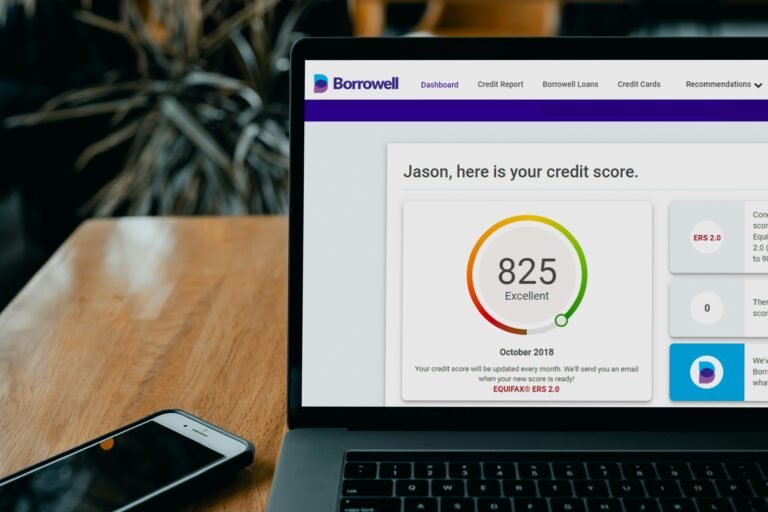
Your credit score is a numerical representation of your reliability as a borrower. Credit cards influence this score through:
- Payment History (35%): Your track record of paying on time is the single largest factor.
- Credit Utilization (30%): The percentage of your credit limit you are using. Financial experts recommend keeping this below 30%, and ideally below 10%.
- Length of Credit History (15%): How long you have had your accounts open.
- New Credit (10%): Applying for multiple cards in a short window can be seen as “credit seeking” and may lower your score.
- Credit Mix (10%): Having a variety of accounts (credit cards, loans, etc.) can be helpful.
Smart Credit Card Tips
- Pay in Full: This is the golden rule. If you pay your full statement balance every month, you pay zero interest.
- Set Up Autopay: Automate at least your minimum payment to ensure you are never hit with a late fee.
- Monitor Utilization: Check your balance halfway through the month. If it is high, make an early payment to keep your utilization reported to the bureaus low.
- Review Statements Regularly: Check for unauthorized charges or billing errors.
- Avoid Cash Advances: These are almost always the most expensive way to borrow money.
- Understand Your Benefits: Read the “Guide to Benefits” that came with your card to see what protections you are entitled to.
Common Credit Card Mistakes
- Paying Only the Minimum: This is the most common way to get trapped in a long-term debt cycle.
- Missing Due Dates: A single late payment can haunt your credit report for seven years.
- Ignoring the Terms: Failing to understand if your card has an annual fee or a high-interest rate after a promotional period.
- Applying for Too Many Cards: Spreading yourself too thin with credit applications lowers your score.
- Using Rewards as an Excuse to Overspend: Earning 2% cash back is not worth it if you are spending extra money just to earn those rewards.
Frequently Asked Questions
1. Is a debit card better than a credit card?
It depends on your goals. A debit card is better for avoiding debt, but a credit card is better for building credit, earning rewards, and enjoying fraud protection.
2. Can I have too many credit cards?
There is no “right” number, but carrying more cards than you can manage responsibly increases the risk of missed payments and fraud.
3. Does closing a credit card help my score?
Usually, no. It can actually hurt your score by reducing your total available credit (increasing utilization) and shortening your credit history.
4. What should I do if I can’t pay my balance in full?
Pay as much as you can. Prioritize paying more than the minimum to reduce interest charges, and contact your issuer if you are facing genuine financial hardship.
5. Are “no annual fee” cards always the best?
Not necessarily. If you travel frequently or spend heavily in a specific category, a card with an annual fee might offer rewards that far exceed that cost.
6. How do I get my first credit card?
If you have no credit, a secured credit card or a student credit card is usually the best starting point.
7. Does the bank tell me if I’m spending too much?
Not usually. You are responsible for monitoring your own spending. Set up “balance alerts” in your banking app.
8. What is an authorized user?
An authorized user is someone you add to your account who receives their own card. You are ultimately responsible for any debt they incur.
Final Thoughts
A credit card is one of the most powerful financial instruments you will ever use. It provides convenience, security, and an opportunity to build a foundation for future borrowing—like mortgages and car loans. However, it requires a mindset shift: you must treat the credit card as a tool for spending money you already have, rather than money you might have in the future.
Approach your credit cards with a plan. Pay your balance in full, monitor your utilization, and keep a close watch on the fees. When you master your credit card habits, you move from being a user of debt to a user of credit—a distinction that can significantly change your long-term financial trajectory.
Disclaimer: This guide is for educational purposes only and does not constitute personalized financial, tax, or legal advice. Credit card products, interest rates, fees, rewards, and eligibility requirements vary significantly by issuer and region. Always consult with your card issuer’s terms and conditions and speak with a qualified financial professional regarding your specific financial situation before making major decisions.