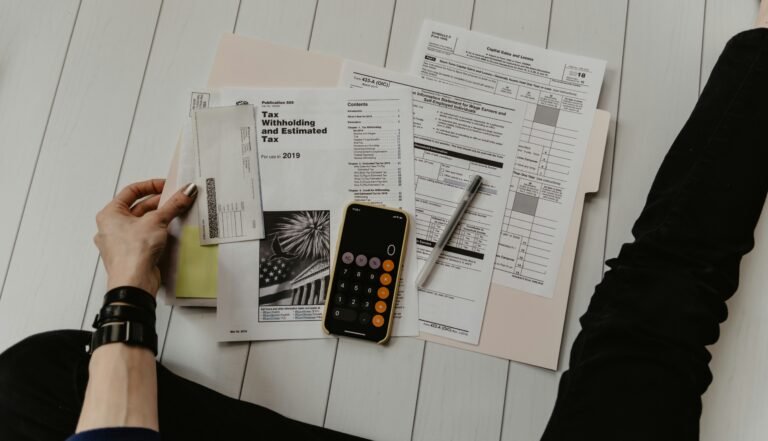
Emergency Fund Explained: How Much Money Should You Save and Where Should You Keep It?
Life is inherently unpredictable. One moment, you are cruising through your monthly routine, and the next, a sudden car breakdown, an unexpected medical bill, or an abrupt change in employment status shifts your reality. While we cannot predict exactly when a financial crisis will occur, we can certainly prepare for the inevitable. This preparation—a financial safety net—is what personal finance experts call an emergency fund.
For many, the idea of setting aside a large sum of money can feel overwhelming. You might be juggling student loans, rent, or the rising costs of daily living. However, an emergency fund is not a luxury for the wealthy; it is a foundational necessity for anyone striving for long-term financial health. By building a buffer between your current life and an unforeseen crisis, you gain more than just liquidity; you gain peace of mind.
In this guide, we will explore the mechanics of emergency savings, calculate exactly what you need, and identify the most secure places to house these vital funds.
![Hero Image: A clean, modern home office workspace featuring a person confidently reviewing their savings goals on a laptop. The desk is organized with a piggy bank, a glass jar labeled “Emergency Fund,” a calculator, and a screen displaying a financial dashboard. A subtle “shield” icon is integrated into the background graphic, with gold coins and stylized Dollar ($) and Pound (£) symbols accents. The color palette is a professional, calming mix of blue, green, and white.]
What Is an Emergency Fund?
An emergency fund is a stash of money set aside specifically to cover the financial surprises life throws your way. It is distinct from your general savings, which might be earmarked for a vacation, a new laptop, or a down payment on a home.
Unlike investment accounts designed for long-term growth, an emergency fund is designed for accessibility and protection. It is the “break glass in case of emergency” portion of your finances. Because its primary purpose is to prevent you from falling into high-interest debt when an unplanned expense arises, it should be kept in a safe, liquid environment.
Why an Emergency Fund Matters
The most significant benefit of having an emergency fund is the ability to bypass high-interest debt. When an expensive car repair costs $1,000 (£800) and you do not have the cash on hand, your only options are often putting it on a credit card or taking out a personal loan. With credit card interest rates frequently exceeding 20%, that $1,000 repair can end up costing you significantly more over time.
An emergency fund also provides emotional stability. Knowing that a single unexpected bill will not derail your entire financial trajectory allows you to focus on resolving the problem rather than panicking about how to pay for it.
What Counts as a Financial Emergency?
It is vital to distinguish between a genuine emergency and a “want” or a planned expense. A true financial emergency is an unforeseen, unavoidable, and urgent cost that threatens your financial stability or basic standard of living.
Common Examples:
- Medical Expenses: Unexpected hospital visits, dental emergencies, or essential prescription costs.
- Job Loss: A sudden period of unemployment where you need to cover basic living expenses.
- Major Car Repairs: Necessary repairs to ensure your vehicle remains safe and roadworthy.
- Essential Home Repairs: A broken furnace in winter, a burst pipe, or a leaking roof.
- Emergency Travel: Unplanned travel necessitated by family illness or bereavement.
What is NOT an Emergency:
- Holiday Shopping: These are predictable annual expenses that should be planned for in your monthly budget.
- Vacations: Travel is a luxury, not an emergency.
- Sales/Discounts: Buying something just because it is “on sale” is not an emergency, regardless of how much you save.
How Much Should You Save?
There is no one-size-fits-all number, but there are standard benchmarks that provide a solid roadmap.
The Starter Fund
If you are currently carrying high-interest debt or living paycheck to paycheck, your first goal should be a starter emergency fund of $1,000 to $2,000 (£800–£1,600). This is enough to handle the majority of minor, annoying emergencies without relying on a credit card.
The Foundation (3–6 Months)
Once your debt is under control, the goal is to save enough to cover three to six months of essential living expenses. This provides a buffer against significant life events, such as a major illness or a prolonged job search.
When to Aim for More
You may want to aim for the higher end (or even 9–12 months) if:
- You are self-employed or work in a volatile industry.
- You are the sole provider for a family.
- You have high monthly fixed costs.
- You live in an area with a high cost of living.
How to Calculate Your Emergency Fund
To determine your target number, you need to track your essential monthly expenses. Do not include “wants” like dining out or streaming services in this calculation; focus on survival.
- Housing: Rent or mortgage payments.
- Utilities: Electricity, water, heating, and internet.
- Food: Basic groceries (not takeout).
- Transportation: Car payments, insurance, fuel, or public transit passes.
- Insurance: Health, life, and home/renters insurance.
- Debt: Minimum payments on essential loans.
Example Calculation:
If your total essential expenses equal $3,000 (£2,500) per month, a 3-month fund requires $9,000 (£7,500), while a 6-month fund requires $18,000 (£15,000).
![Image: A chart illustrating the monthly expense calculation process, showing the sum of rent, utilities, food, and transport.]
Where Should You Keep an Emergency Fund?
The goal is to keep your money somewhere safe, liquid (easy to withdraw), and slightly out of reach so you aren’t tempted to spend it.
- High-Yield Savings Accounts (HYSA): Often the best choice. These offer interest rates significantly higher than traditional bank accounts while maintaining FDIC (US) or FSCS (UK) protection.
- Money Market Accounts: These offer check-writing capabilities and debit cards. They provide liquidity but sometimes require a higher minimum balance.
- Cash Management Accounts: Often offered by brokerage firms, these can function similarly to a checking account while earning competitive interest.
Avoid: Putting your emergency fund in the stock market. Investments fluctuate; you cannot afford to have your emergency fund drop in value at the exact moment you need to withdraw it.
How to Build an Emergency Fund Faster
Building a safety net is a process of consistent, small sacrifices.
- Automate It: Set up an automatic transfer from your checking account to your emergency fund on payday. If you don’t see the money in your spending account, you are less likely to miss it.
- Budget Adjustments: Analyze your discretionary spending. Redirect money from “wants” to your savings account.
- Extra Income: Put windfalls—like tax refunds, annual bonuses, or birthday money—directly into your fund.
- Sell Unused Items: Clear out your garage or closet. Selling unused furniture, electronics, or clothes can provide a quick, effective boost to your savings.
Common Emergency Fund Mistakes
- Using Savings for Non-Emergencies: If you dip into your fund for a sale on electronics or a concert ticket, you will be vulnerable when a real crisis hits.
- Ignoring Inflation: Over several years, the purchasing power of your cash declines. Review your fund periodically to ensure it still covers your current cost of living.
- Keeping Cash at Home: Keeping thousands in a safe at home is risky. It is not insured against theft, fire, or flood, and it earns zero interest.
- Stopping Too Soon: Once you hit your first milestone, don’t stop. Aim for that 3–6 month goal.
When Should You Use Your Emergency Fund?
Use it only when the situation meets the “Emergency” criteria defined earlier. If you use it for a planned expense, you are not failing, but you are not prepared. After you use the fund, your next financial priority must be to replenish it before returning to other savings or investment goals. Treat the repayment as a non-negotiable debt to yourself.
Frequently Asked Questions
1. Is an emergency fund the same as an investment account?
No. Emergency funds are for preservation and liquidity; investments are for long-term growth and carry market risk.
2. Can I keep my emergency fund in my checking account?
While convenient, it is not recommended. Keeping it in a separate account creates a psychological barrier that prevents accidental spending.
3. What if I have high-interest debt? Should I save or pay debt?
Usually, it is wise to build a small “starter” fund first so you don’t have to borrow more, then aggressively tackle the debt. Consult a financial advisor for your specific situation.
4. How often should I check my emergency fund?
Once every 6–12 months is sufficient to ensure it still aligns with your current monthly expenses.
5. Does my partner need their own emergency fund?
If you share finances, you can have a shared fund. If you keep finances separate, you should each maintain your own safety net.
6. Are these savings accounts protected?
In the US, ensure your bank is FDIC-insured. In the UK, ensure they are protected by the FSCS.
7. Should I include retirement savings in my emergency fund?
No. Retirement accounts are legally restricted and often penalized for early withdrawal. Keep them separate.
8. What happens if I use it all?
Don’t panic. Reassess your budget immediately and prioritize rebuilding it, even if it means pausing other goals for a few months.
Final Thoughts
An emergency fund is the ultimate insurance policy. It doesn’t prevent life’s problems from happening, but it changes your relationship with those problems. Instead of panic, you approach them with resources.
Building your fund may take time, and that is perfectly okay. Start with what you can manage, automate your progress, and be disciplined. Financial freedom begins with the confidence of knowing that no matter what tomorrow brings, you have the resources to handle it.
Disclaimer: This guide is for educational purposes only and does not constitute financial, tax, or legal advice. Financial products, regulations, and interest rates vary by country and individual circumstances. Please consult with a qualified financial advisor to discuss your specific needs.